Back to the product list

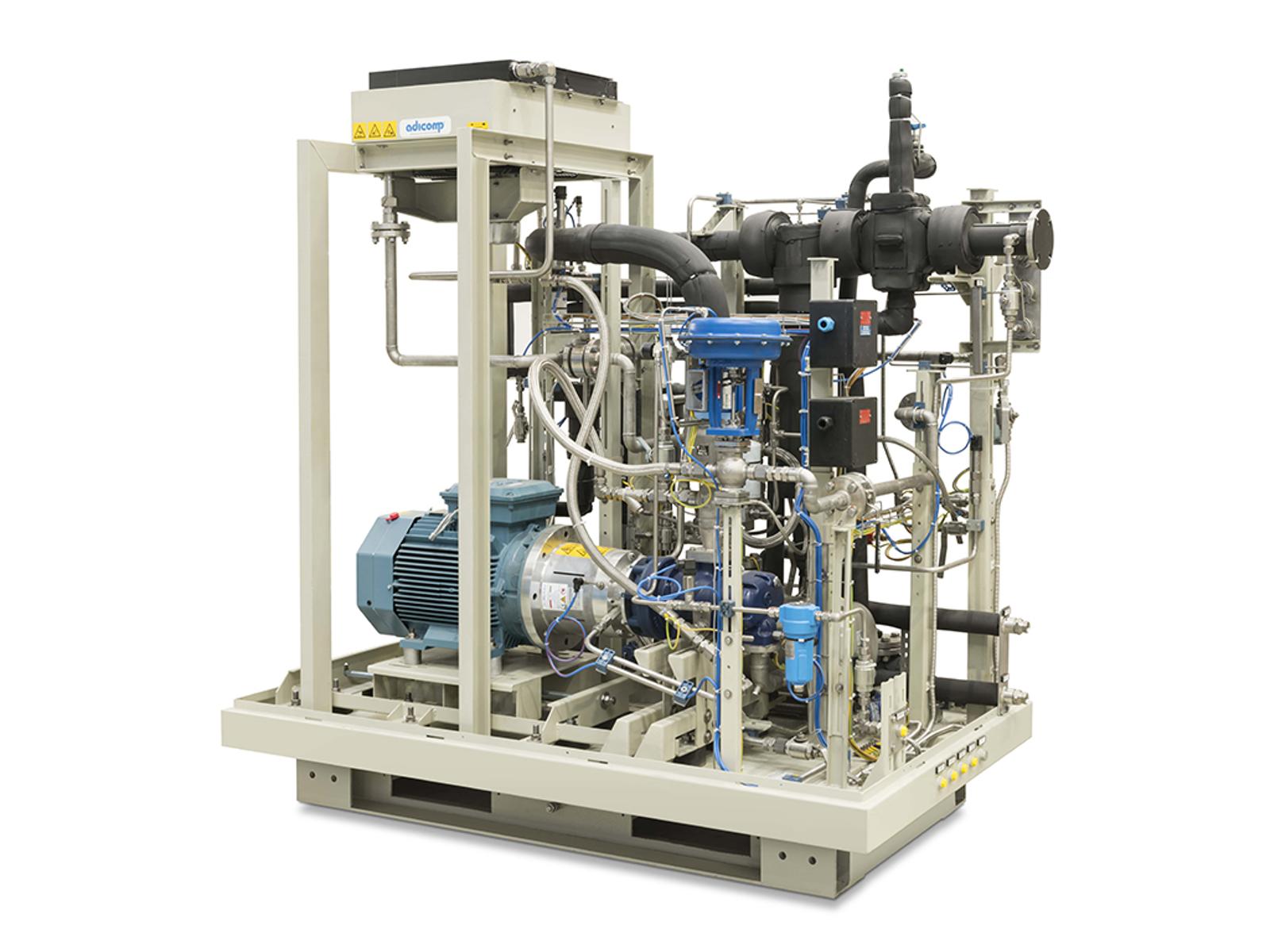
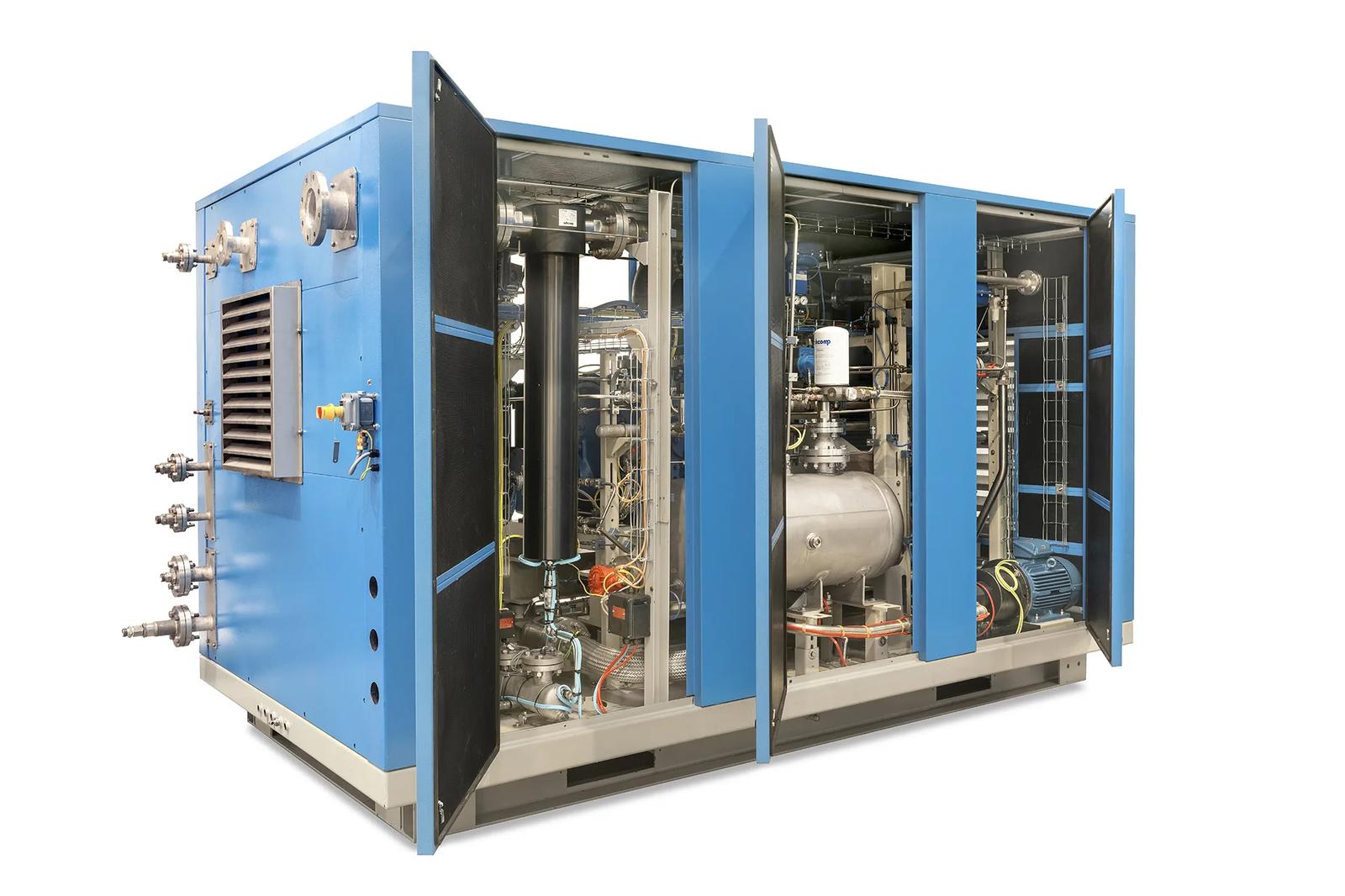
Hydrogen compressor HVG Series

The HVG Series is a high performance hydrogen screw compressor designed for efficient and reliable hydrogen compression in industrial applications. Adicomp is a recognized leader in gas compression systems, delivering advanced solutions for energy and process requirements. These hydrogen compression systems are specifically engineered to safely manage compressed hydrogen in storage, distribution, and fueling applications. The HVG Series operates as a high pressure hydrogen gas compressor, ensuring stable performance, energy efficiency, and precise control throughout the process of compressing hydrogen gas.

Available with or without a gas treatment system, the HVG Series hydrogen compressor is designed for a wide range of hydrogen compression applications where efficient handling of compressed hydrogen is essential.


Main applications include:

  1. Turbine and microturbine feeding : ensuring stable supply of compressed hydrogen for energy generation systems.
  2. Gas engine feeding: enabling reliable hydrogen compression to support efficient engine operation.

  3. Hydrogen separation: supporting hydrogen compression systems used to separate and purify hydrogen streams.
  4. Upgrading processes: optimizing gas quality and performance during the process of compressing hydrogen gas for industrial use.
  5. Methanation: supporting hydrogen compression in methanation processes, where CO₂ and H₂ (typically produced via electrolysis powered by renewable energy, such as solar) react to form synthetic methane (CH₄) and water (H₂O).

  1. The gas is drawn through a filtration system that removes particles and oil vapors before entering the hydrogen compressor through a suction valve. All components in contact with the gas are made of stainless steel to ensure safe handling of compressed hydrogen and resistance to aggressive contaminants.
  2. During hydrogen compression, oil is injected into the compression chamber of the hydrogen screw compressor to provide lubrication, sealing, and heat absorption, ensuring efficient and reliable operation.

  3. The oil circulates in a closed loop with a reservoir tank, is pressurized and cooled through a radiator, then filtered and reintroduced into the system to maintain optimal performance during compressing hydrogen gas.
  4. The hydrogen gas is separated from the oil via a cartridge and passes through a minimum pressure/non-return valve, then through a heat exchanger. It can undergo further treatment within integrated hydrogen compression systems before leaving the unit, according to application requirements.
  5. An advanced control system automatically adjusts pressure and speed based on demand, optimizing hydrogen compression efficiency and ensuring stable operation of the industrial hydrogen compressor.


INLET PRESSURE

OPERATING PRESSURE

FREE GAS DELIVERY

ADSORBED POWER

Up to 117 psi(g)

Up to 363 psi(g)

Up to 1869 SCFM

Up to 550 hp


EU

  • Classification of hazardous areas: ATEX Zone II
  • Pressure vessel code compliance: PED
  • Electrical Code Compliance: ISO 60079
  • Certified manufactoring organization: ISO 9001:2015 – ISO 14001:2015 – ISO 45001:2018

US

  • Hazardous Area Classification: Class 1, Div 2 as defined per NEC, NFPA70
  • Pressure Vessel Code Compliance: ASME
  • Electrical Code Compliance: UL/Control panels and assemblies
  • Certified manufactoring organization: ISO 9001:2015 – ISO 14001:2015 – ISO 45001:2018
  • UL 508A, Standard for Industrial Control Panels
  • UL 698A, Standard for Industrial Control Panels Relating to Hazardous (Classified) Locations
  • NFPA 70 National Electric Code
  • ASME B31.3 – Process Pipes.

CA

  • Hazardous Area Classification: Class 1, Div 2 as defined per NEC, NFPA70
  • Pressure Vessel Code Compliance: ASME -CRN
  • Electrical Code Compliance: UL/Control panels and assemblies
  • Certified manufactoring organization: ISO 9001:2015 – ISO 14001:2015 – ISO 45001:2018
  • UL 508A, Standard for Industrial Control Panels
  • UL 698A, Standard for Industrial Control Panels Relating to Hazardous (Classified) Locations
  • NFPA 70 National Electric Code
  • ASME B31.3 – Process Pipes.

BR

  • Classification of hazardous areas: ATEX Zone II
  • Pressure Vessel Code Compliance: ASME – NR13
  • Electrical code compliance: ISO 60079 – NR10 (Electrical panels and assemblies)
  • Certified manufactoring organization: ISO 9001:2015 – ISO 14001:2015 – ISO 45001:2018
  • ASME B31.3 – Process Pipes.

IN

  • Hazardous Area Classification: ATEX Zone II (HEAVY)
  • Pressure Vessel Code Compliance: ASME
  • Electrical code compliance: ISO 60079 (Electrical panels and assemblies)
  • Certified manufactoring organization: ISO 9001:2015 – ISO 14001:2015 – ISO 45001:2018
  • ASME B31.3 – Process Pipes.
Pressure requirements depend on the application: around 87 psi(g) for turbines and microturbines, 218 psi(g) for methanation, 145-290 psi(g) for intermediate hydrogen storage and separation. Hydrogen compressors can also act as first-stage units in refueling stations, supporting efficient and reliable hydrogen compression systems.