Back to the product list

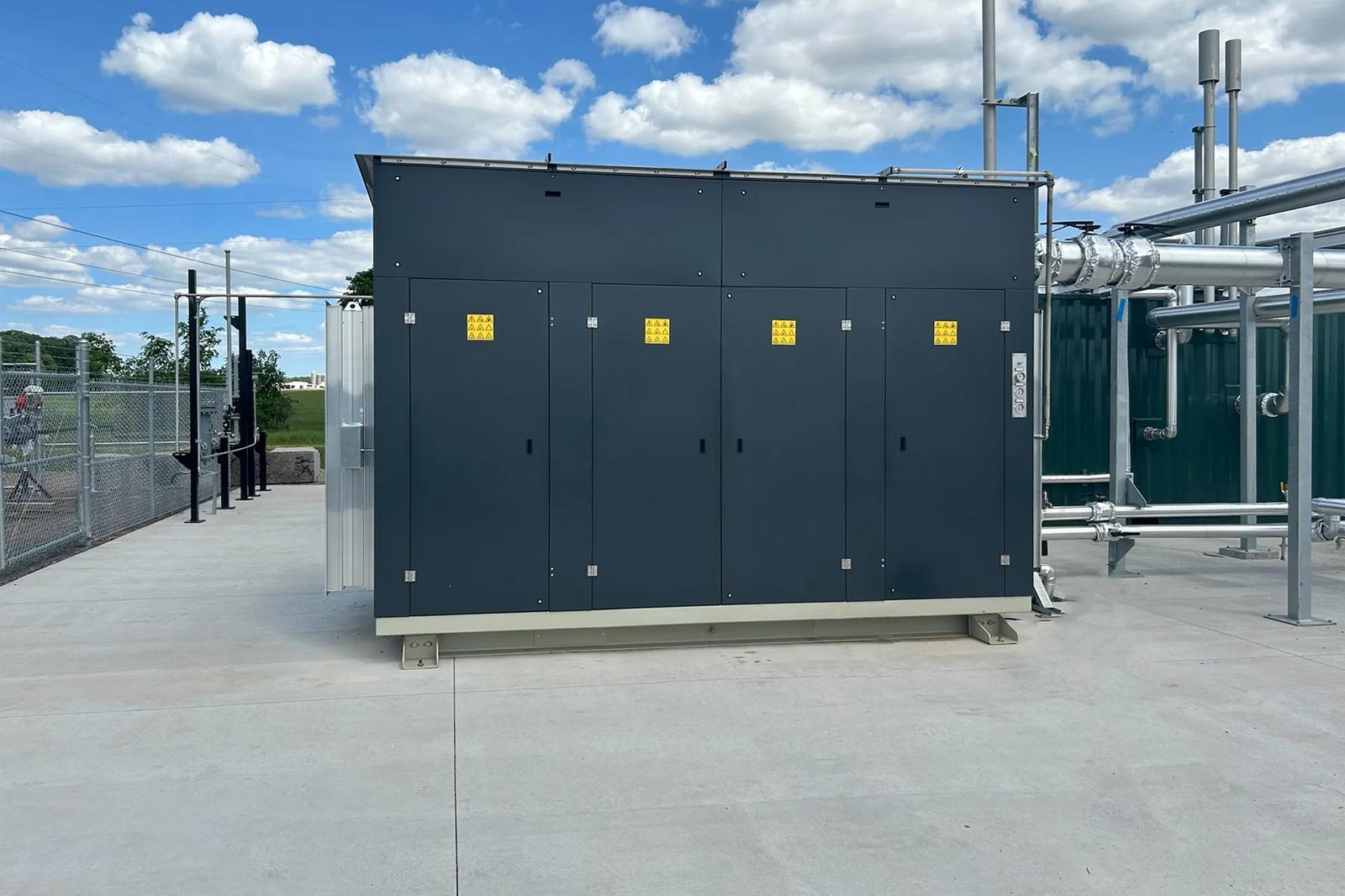
Biogas Compressor for Biogas Upgrading BVG / UVG Series

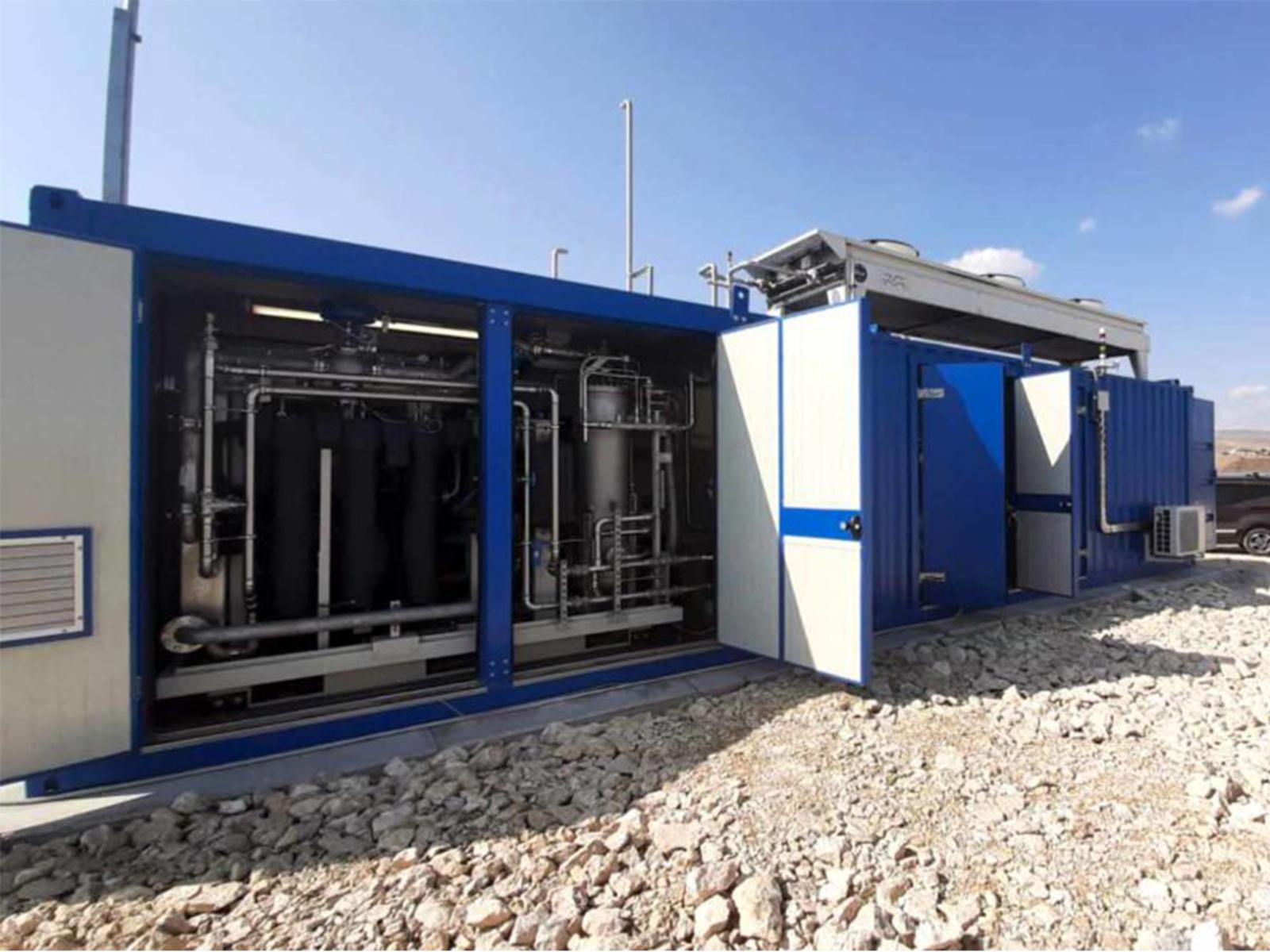
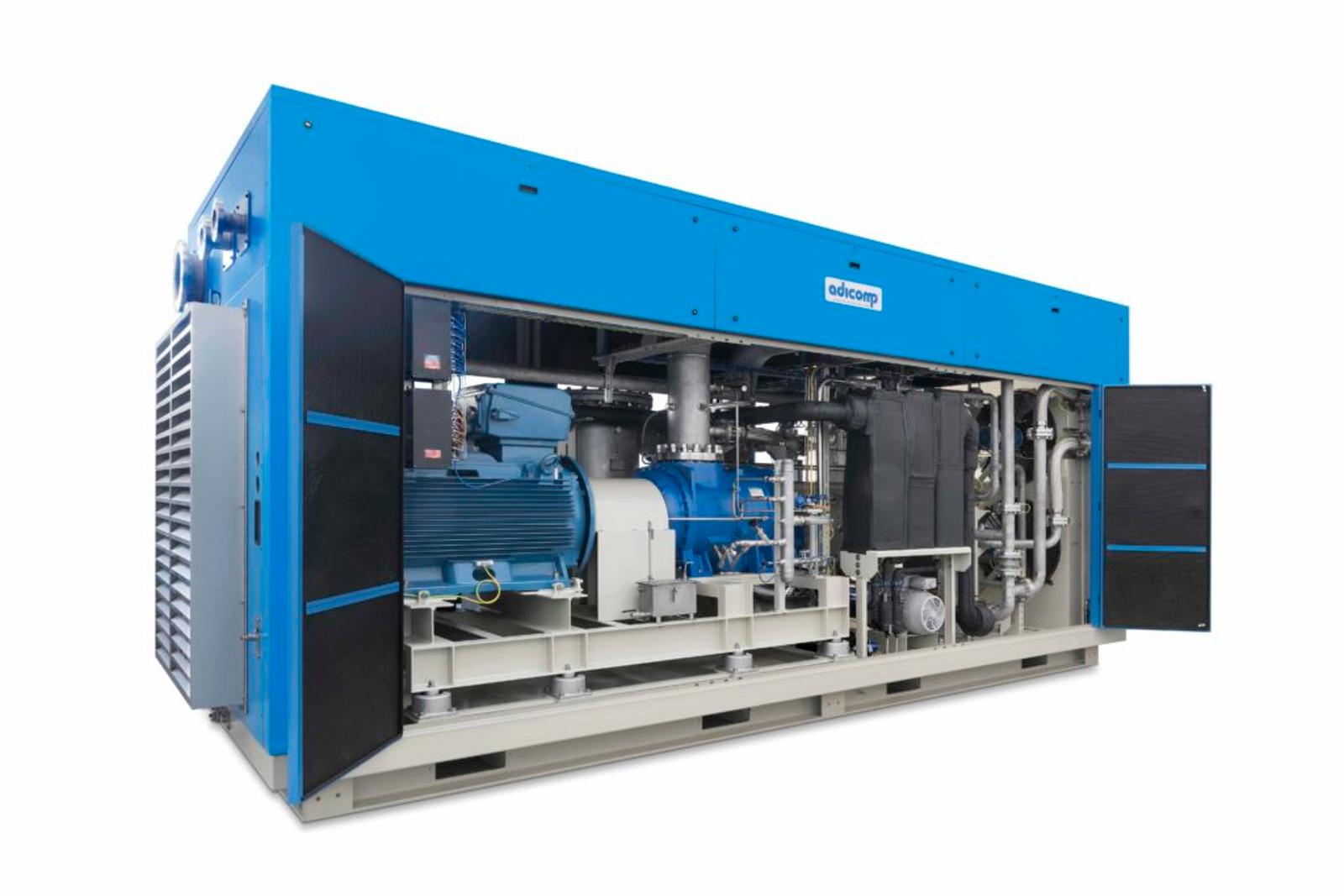
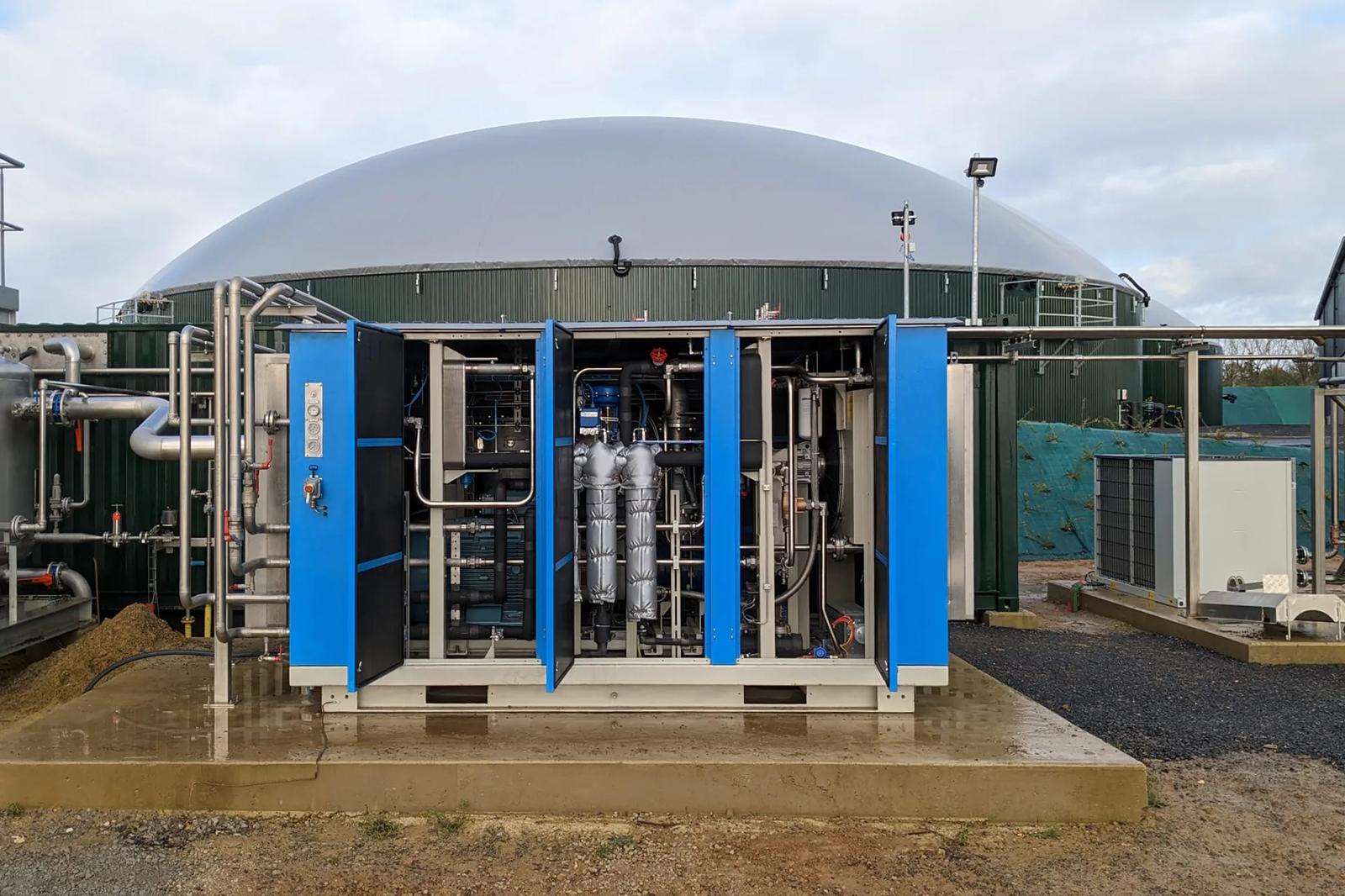
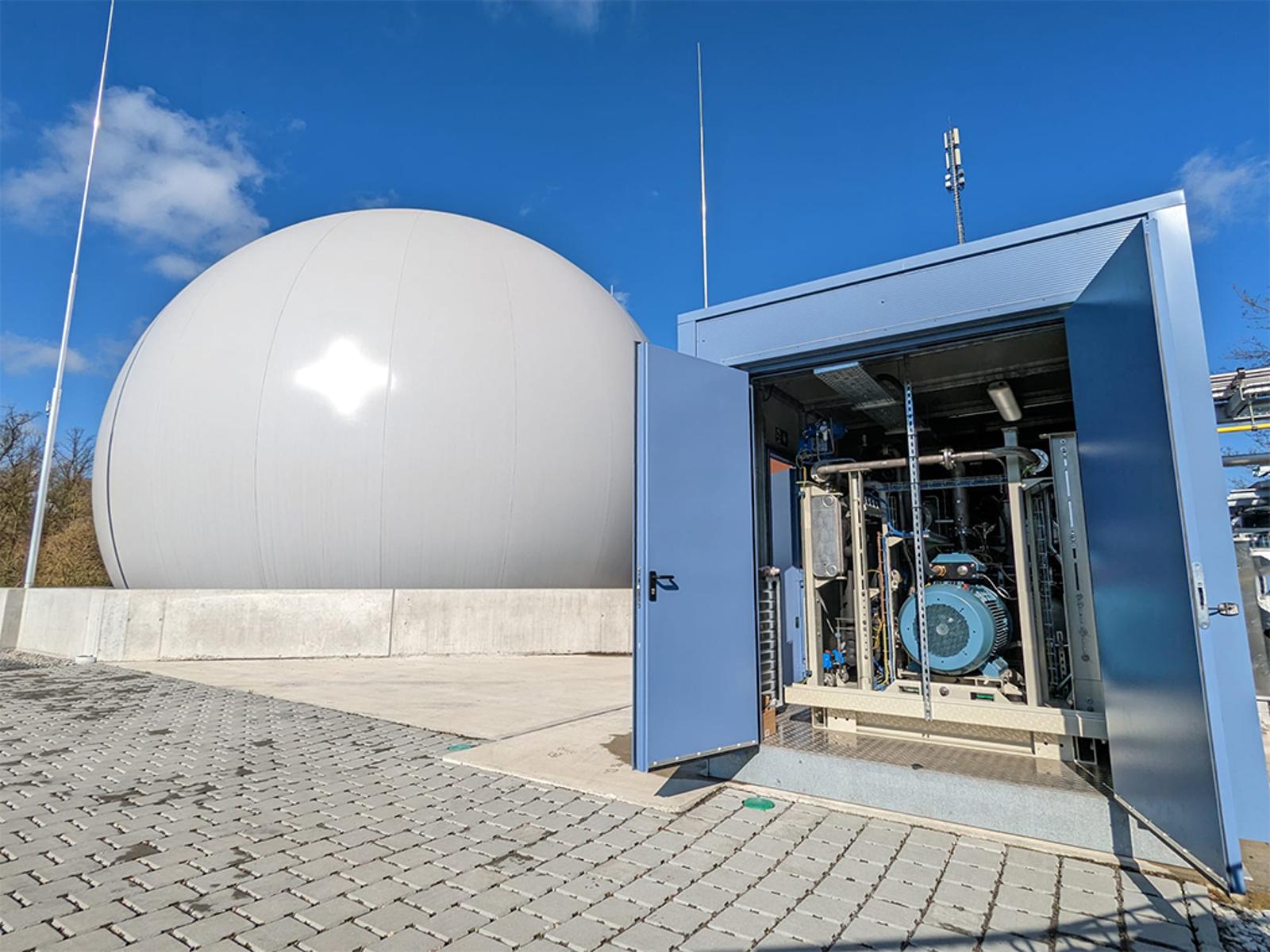
The BVG / UVG Series is a high‑performance biogas compressor engineered for efficient biogas upgrading applications. Adicomp is a recognized market leader in low‑ and medium‑pressure compressor systems for a wide range of energy solutions. These compressor series are specifically designed to feed biogas upgrading systems, where reliable biogas compression is essential. Their primary function is to increase the pressure of incoming biogas while improving gas quality, ensuring stable and efficient operation of downstream upgrading processes.

Available with or without gas treatment systems, the BVG/UVG series, covering both the 22<90 and 75<700 ranges, is designed for a wide range of biogas compressor applications, common to both product lines, including the following:


Biogas Upgrading Technologies:

  1. Membranes technology : Biogas upgrading technology based on selective gas separation, where the biogas compressor provides controlled and stable pressure for efficient membrane performance.
  2. Pressure Swing Adsorption (PSA): Biogas upgrading technology, using controlled biogas compression to separate CO₂ and impurities in order to produce high‑quality biomethane.
  3. Water washing scrubbing: Biogas upgrading technology using physical absorption for CO₂ removal, supported by constant biogas compression within the upgrading system.
  4. Amine scrubbing: Biogas upgrading technology based on chemical absorption using amine solutions to remove CO₂, requiring reliable biogas compression to ensure stable process operation.

 Power Generation:

  1. Turbines feeding: Supply of compressed biogas to turbines for reliable and efficient energy generation.
  2. Gas engine feeding: Biogas compression to the required pressure for stable gas engine operation.

Other:

  1. CO₂ recirculation: Compression of separated CO₂ for reuse or controlled recirculation within the plant.
  2. Vapor recovery: Recovery and compression of residual biogas vapors to improve process efficiency and reduce emissions.
  3. Boiler feeding: Controlled biogas compression for consistent boiler supply in thermal energy applications.
  1. Wet gas from biogas upgrading processes is drawn into the biogas compressor through a water separator filter with automatic condensate drainage, then passes through a suction valve for further treatment within the biogas upgrading system.

  2. Due to the presence of H₂S, CO₂, or other aggressive contaminants typically found in biogas upgrading applications, all components in contact with the gas are made of stainless steel or suitably protected.

  3. During the biogas compression process required for biogas upgrading, oil is injected into the pumping unit to perform three main functions: lubrication, sealing, and heat absorption.

  4. Operating in a closed circuit with a gas/oil reservoir, the oil is pressurized, cooled through an oil cooler, filtered, and then re injected into the screw compression chamber.

  5. The compressed biogas flows through a minimum pressure/non return valve and then towards a gas cooler, where residual impurities are removed, before leaving the package in optimal conditions for downstream biogas upgrading or final use.


INLET PRESSURE

OPERATING PRESSURE

FREE GAS DELIVERY

ADSORBED POWER

Up to 14.5 psi(g)

Up to 363 psi(g)

Up to 2800 SCFM

Up to 939 Hp


EU

  • Classification of hazardous areas: ATEX Zone II
  • Pressure vessel code compliance: PED
  • Electrical Code Compliance: ISO 60079
  • Certified manufactoring organization: ISO 9001:2015 – ISO 14001:2015 – ISO 45001:2018

US

  • Hazardous Area Classification: Class 1, Div 2 as defined per NEC, NFPA70
  • Pressure Vessel Code Compliance: ASME
  • Electrical Code Compliance: UL/Control panels and assemblies
  • Certified manufactoring organization: ISO 9001:2015 – ISO 14001:2015 – ISO 45001:2018
  • UL 508A, Standard for Industrial Control Panels
  • UL 698A, Standard for Industrial Control Panels Relating to Hazardous (Classified) Locations
  • NFPA 70 National Electric Code
  • ASME B31.3 – Process Pipes.

CA

  • Hazardous Area Classification: Class 1, Div 2 as defined per NEC, NFPA70
  • Pressure Vessel Code Compliance: ASME -CRN
  • Electrical Code Compliance: UL/Control panels and assemblies
  • Certified manufactoring organization: ISO 9001:2015 – ISO 14001:2015 – ISO 45001:2018
  • UL 508A, Standard for Industrial Control Panels
  • UL 698A, Standard for Industrial Control Panels Relating to Hazardous (Classified) Locations
  • NFPA 70 National Electric Code
  • ASME B31.3 – Process Pipes.

BR

  • Classification of hazardous areas: ATEX Zone II
  • Pressure Vessel Code Compliance: ASME – NR13
  • Electrical code compliance: ISO 60079 – NR10 (Electrical panels and assemblies)
  • Certified manufactoring organization: ISO 9001:2015 – ISO 14001:2015 – ISO 45001:2018
  • ASME B31.3 – Process Pipes.

IN

  • Hazardous Area Classification: ATEX Zone II (HEAVY)
  • Pressure Vessel Code Compliance: ASME
  • Electrical code compliance: ISO 60079 (Electrical panels and assemblies)
  • Certified manufactoring organization: ISO 9001:2015 – ISO 14001:2015 – ISO 45001:2018
  • ASME B31.3 – Process Pipes.
Biogas upgrading is the process of converting raw biogas into biomethane by removing carbon dioxide, water, and other impurities. This increases methane concentration, making it suitable for grid injection or use as renewable energy. Efficient biogas compressors, like Adicomp solutions, play a key role in ensuring stable performance throughout the process.