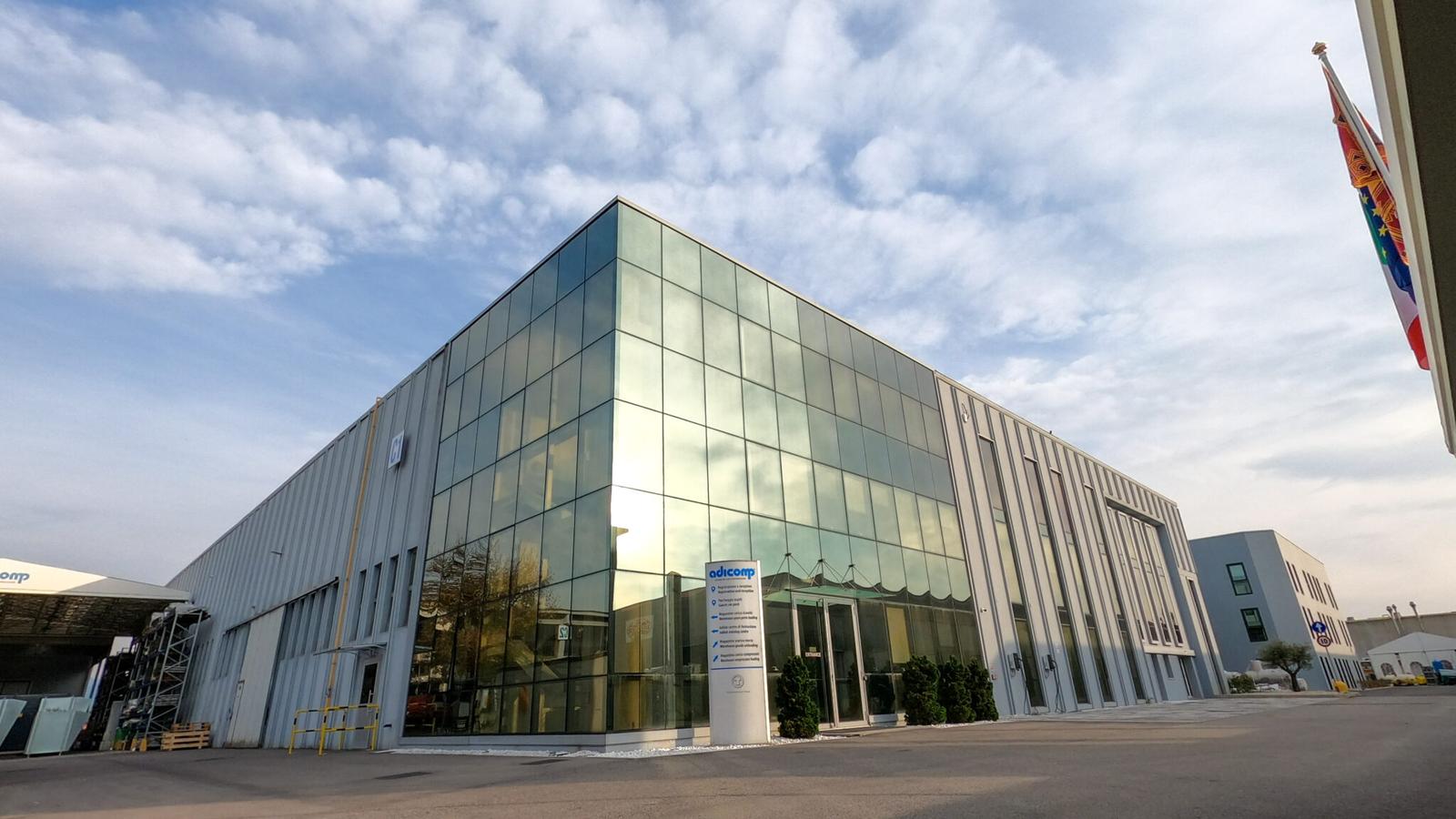
Extending Performance Over Time: sustainability applied to the compressor life cycle
10 june 2026
The biogas plant, a model of a sustainable process
The biogas plant represents an intrinsically sustainable energy supply chain, based on the principles of the resource valorization and circular economy. Biogas production in fact largely derives from feedstocks such as agricultural by-products, livestock manure, agri-food waste, wastewater treatment sludge, and landfill waste materials that, in the absence of recovery, would constitute an environmental and management cost. Through anaerobic digestion these materials are instead transformed into a renewable energy resource. Within this supply chain, biogas represents not only an energy source – for both electricity generation and biomethane production to be injected into the grid but also a means of closing the production cycle, since the residual digestate can be reused as an agricultural soil fertilizer, reducing the need for synthetic ones. The sustainability of biogas, therefore, is not limited to the production of renewable energy; it extends to the responsible management of organic waste, the reduction of greenhouse gas emissions, and the enhancement of local agri-industrial supply chains.
The biogas compressor in the upgrading plant
Within a biogas upgrading plant, compressor plays a central role and its efficiency and performances directly affect the biomethane production: a compressor failure can compromises the output, as operating costs continue while no revenue is generated. Biogas production can vary depending on the feedstocks composition, process conditions and plant management strategies; consequently, the machines operating in this context must ensure operational continuity, stable performance, and long term adaptability. They do not merely support the process, but have a direct impact on the energy efficiency and the overall environmental footprint of the plant. An inefficient compressor, subject to frequent downtime or characterized by high energy losses, can compromise a large part of the benefits associated with renewable energy production. Therefore it becomes essential not only to keep the machine in operation, but also to preserve its energy efficiency throughout its entire life cycle. This approach directly contributes to the sustainability of biogas by reducing specific energy demand, limiting corrective interventions, and maximizing the environmental and economic return on investment.
From the supply chain context to operational levers along the life cycle
Translating these principles into concrete results requires a structured approach to compressor life cycle management. The sustainability of the biogas supply chain, in fact, depends not only on the energy source itself, but also on how machines are maintained, upgraded, and managed over time. It is at this level that targeted interventions such as overhauling, upgrade, energy saving solutions, heat recovery, and spare parts reliability come into play, making it possible to align operational performance, energy efficiency, and asset lifespan with the sustainability objectives of the overall system.
Sustainability and Life Cycle in the Industrial Context
In today’s industrial landscape, sustainability is no longer an abstract concept but a measurable parameter directly linked to energy efficiency, system reliability, and optimized lifecycle management of machinery. A large installed base of compressors worldwide provides a broad operational dataset, enabling the development of a systematic approach focused on extending performance over time. This approach aims to ensure consistent reliability and efficiency for both newly installed units and equipment that has been in operation for extended periods. It is based on the integration of targeted technical interventions, performance monitoring and analysis, and advanced asset management strategies.
- Energy Saving and Dynamic Load Adaptation: A key element of energy sustainability is the compressor’s ability to adapt to non-constant gas flows, a typical condition of biogas plants. Thanks to the presence of inverters and an integrated by-pass circuit, it is possible to achieve accurate flow modulation according to actual process demand, avoiding operation under non-optimal load conditions and with a greater efficiency than other technologies such as slide valve. This approach reduces energy consumption as a function of flow rate, limiting waste and containing mechanical stress on the main components. The result is improved machine durability, greater long term operational stability, and a consequent reduction in indirect emissions associated with energy consumption.
- Heat Recovery: System-Level Energy Efficiency: In screw compressors, a significant part of the absorbed power – about 80% – is transferred to the oil. Through the use of oil/water heat exchangers, this energy can be efficiently recovered and made available to the customer for process uses or auxiliary services. Heat recovery represents a key element of system-level energy efficiency, particularly in biogas plants, which are already embedded in a resource valorization logic. The ability to reuse energy that would otherwise be dissipated enables a significant reduction in overall energy costs and a measurable improvement in plant efficiency.
- Overhauling: Restoring Performance and Extending Asset Life: The gas end (screw block) is the heart of the compression package, and it is therefore essential that its performance does not degrade over time. Through overhauling, functionality can be restored to original levels even after years of continuous operation, avoiding failures which can even lead to scrap the part. This operation is carried out by certified technicians who ensure compliance with design specifications, following standardized procedures that include dimensional checks, and performance test of the screw block. The result is the restoration of nominal performance, increased operational reliability, and component warranty extension.
- Upgrade: Technological Evolution: Alongside asset preservation, Upgrade is a fundamental tool for update existing compressors to the needs of an evolving industrial context. The possibility to integrate technologies not required at the time of the original design allows the system to be updated without replacing the machine. Upgrade solutions include the replacement of obsolete electronics, flow rate increase and/or operating pressure modification, and installation of LM (Long Maintenance) solutions. From a sustainability perspective, these interventions reduce Life Cycle Cost and overall environmental impact, while maintaining high operational performance.
- Spare parts: Operational Sustainability: Operational sustainability is also closely linked to component reliability. The use of original spare parts, designed to high quality standards and proven performances along time, helps preserve performance and maximize compressor uptime. All major compressor components can be replaced in the event of failure or excessive wear, ensuring a service life aligned with that of the plant. Fewer failures and greater operational continuity result in reduced resource waste, lower indirect consumption, and a more controlled environmental impact throughout the compressor’s life cycle.
- Care Service Program: Ingersoll Rand: The Care Services Program is designed to maximize operational efficiency and equipment reliability through a proactive and tailored maintenance approach, enabling up to 14 percent more uptime while preventing unexpected downtime and reducing overall operating costs. By providing customized support based on specific needs, the program ensures consistent and reliable performance across all stages of the equipment lifecycle, helping to extend the lifespan of assets and optimize their overall functionality, while maintaining seamless operations and business continuity at every moment.
Conclusions
Within a supply chain such as biogas intrinsically sustainable and based on the valorization of waste materials compressors play a decisive role not only functionally, but also environmentally. Adopting an “Extending performance over time” approach makes it possible to integrate reliability, energy efficiency, and advanced component management into a unified life cycle vision.
Read More
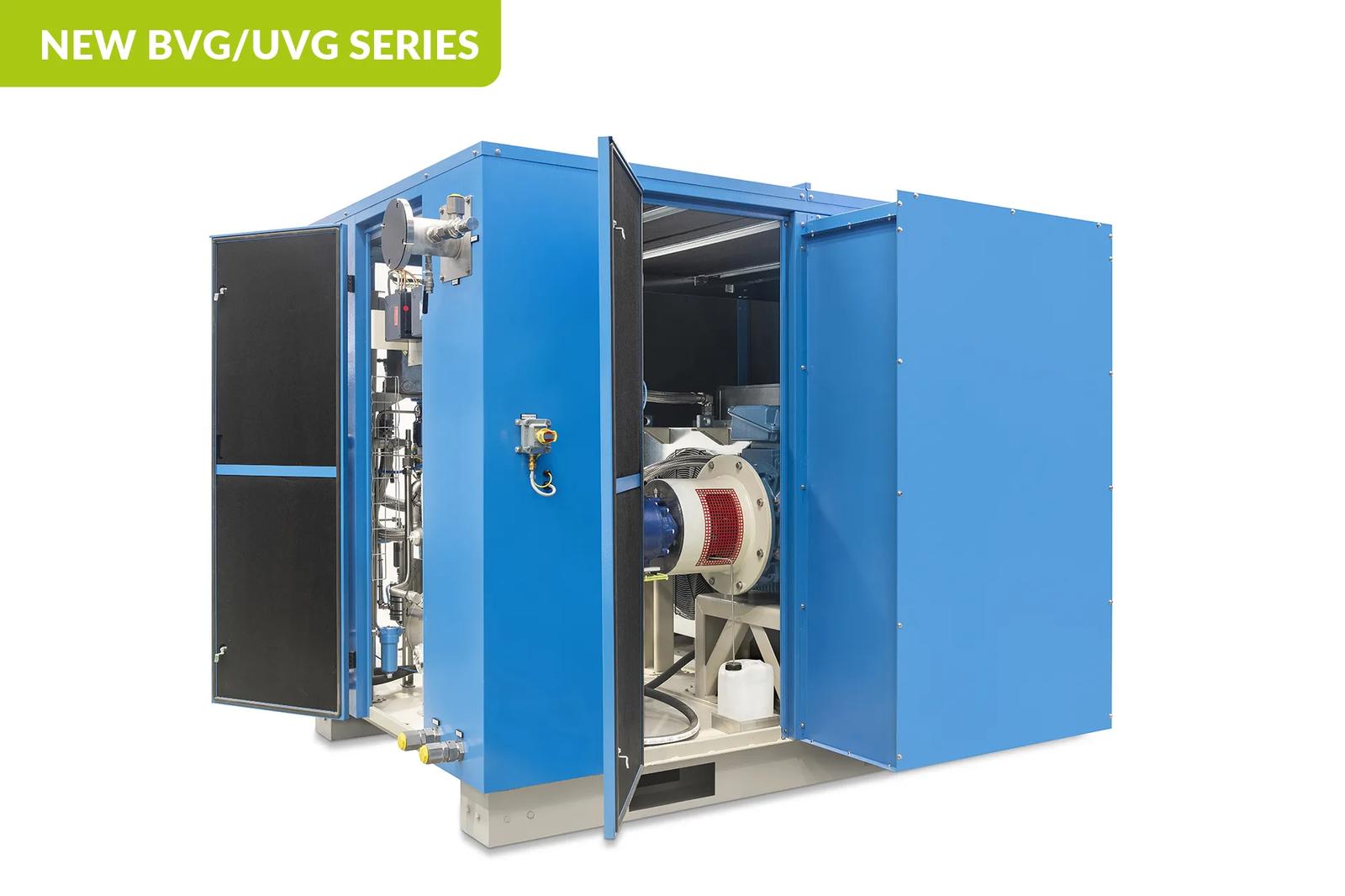
Adicomp expands the BVG/UVG series range
Adicomp expands the BVG-UVG range with new 22–90 kW compressors: enhanced efficiency, reduced maintenance, and increasingly reliable performance.